



Minister of Oil or Trustee Advocate
The President must responsibly take immediate action to dismiss the minister. The trustee case has reached the point of determining the management of the Ministry of Oil.
The case of selling oil to trustees is no longer a matter that can be dismissed with a few denials or a political dispute.
Now, tens of millions of barrels of oil and billions of dollars of the country’s resources are at stake.
Parliament is officially investigating the method of selling and collecting oil receivables. One of the main focuses of this investigation is the allocation of about 80 million barrels of oil to four specific traders and trustees. Representatives want to know how these individuals were selected, what permits were issued for sales, on what basis discounts were determined, and how much of the oil money has returned to the country.
These questions become more serious when we reach documents classified as top secret regarding the allocation of oil that Iran Gate has obtained. These documents report on the allocation of oil to intermediaries with a history of debt and also on managerial decisions in the Ministry of Oil. One of these reports, based on secret documents attributed to the Ministry of Oil and the Supreme National Security Council, makes claims about the allocation of a large volume of oil to four trustees and the financial conditions of these transactions.
Here, the issue is no longer just about who published what report.
The main issue is who exactly was responsible for the decisions.
If the sale of oil to these intermediaries was done with the approval of Ministry of Oil officials, it must be clarified who proposed it, who approved it, and who oversaw the return of the money.
If some trustees had significant debts before receiving new shipments, it must be clarified why oil was given to them again.
And if there was any violation or negligence in this process, it must be determined what each manager’s share of responsibility was.
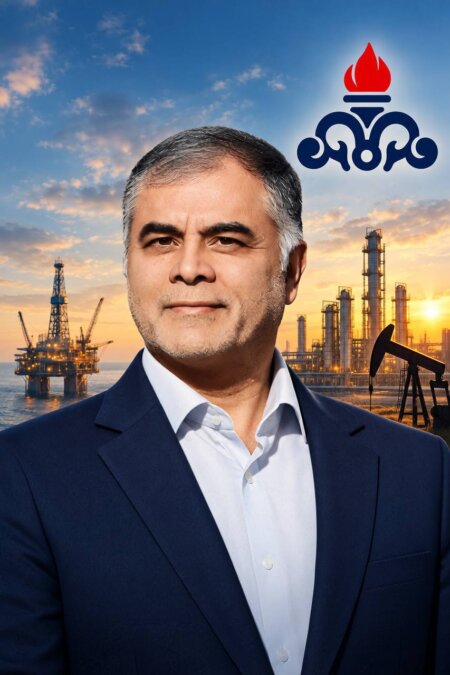
The name Mohsen Paknejad has also come to the center of this discussion because he is the Minister of Oil, and part of the major decisions of this ministry were made during his management period. Practically, the responsibility lies with him. Therefore, there is now a clear demand. Responsibilities must be specified, not with statements or denials, but with documentation. According to documents, Paknejad’s support of delinquent trustees is undeniable. Contracts, permits, the amount of oil delivered, sale prices, discount rates, names of intermediaries, their debt history, and the amount of money returned to the country only indicate the incompetence of the Minister of Oil. Thus, any delay by the President in dismissing the Minister of Oil only harms the national interests and the people of Iran. The more time passes, the harder it becomes to track shipments and collect receivables, and if there is any violation, the possibility of compensating for losses may also become limited. For this reason, the management situation of the Ministry of Oil cannot remain in ambiguity indefinitely. The issue today is not attacking a minister but defending national interests. The issue is Iran’s oil, which belongs to the people, and it must be clear who sold it, to whom it was entrusted, under what conditions it was sold, and where the money is. A case of this magnitude cannot remain without a clear answer. Now is the time to, in the shortest possible time, remove Paknejad and his trustee agents and strive to compensate for the major losses. In a case where the country’s public resources are at stake, ambiguity should not become a permanent state.
