



Saudi Arabia’s Astronomical Investments in the Shadow of Bin Salman and Trump’s Meeting
Saudi Arabia’s Astronomical Investments in the Shadow of Bin Salman and Trump’s Meeting
According to Iran Gate News Agency, the official visit of Mohammed bin Salman, Crown Prince and Prime Minister of Saudi Arabia, to Washington took place while Bloomberg and Reuters reports indicate that Saudi Arabia’s extensive plans to diversify its economy and attract foreign investment have entered a critical phase.
Discussions between Bin Salman and Donald Trump on defense agreements, civilian nuclear cooperation, and large-scale investments—including Riyadh’s new commitments for hundreds of billions of dollars in investments in the American economy—are happening under the analysis of the New York Times, which suggests that the two countries’ relations, after years of tension over human rights and regional security issues, have once again become a central focus of Washington’s foreign policy in the Middle East.
Simultaneously, the economic and social reforms of the Saudi Crown Prince, forming the central part of Vision 2030, according to the Financial Times, have seen progress in areas such as tourism, employment, and emerging industries, but still face challenges like persistent dependency on oil revenues, a factor that has doubled the importance of new cooperation with the U.S. for Riyadh.
The official visit of Mohammed bin Salman, Crown Prince of Saudi Arabia, to Washington and his talks with the President of the United States are considered one of the important events in the relations between the two countries. This visit took place while Saudi Arabia has been involved in significant internal and regional developments and has pursued extensive economic and social reforms over the past years.

Following the death of King Abdullah, King Salman ascended to the throne in January 2015, and two years later, Mohammed bin Salman was appointed as Crown Prince. In 2022, he also continued his activities as the Prime Minister of Saudi Arabia.
Since entering the executive structure, the Saudi Crown Prince has initiated a series of social and economic reforms, including limiting the powers of the religious police, improving some women’s rights, and lifting the ban on their driving.
This set of reforms, along with changes in foreign policy, including the Saudi-led coalition’s intervention in the Yemeni war, has altered Saudi Arabia’s position in regional equations.
In the economic domain, Mohammed bin Salman has introduced the Vision 2030 program, aimed at reducing the country’s economic dependency on oil and developing new industries. This program includes a series of extensive infrastructure and economic projects.
One of the most important of these is Neom, a planned city in northwestern Saudi Arabia that is set to be built with advanced technologies.
Despite progress in parts of these plans, international reports indicate that the pace of economic diversification has been slower than initially predicted, and dependency on oil revenues remains high.
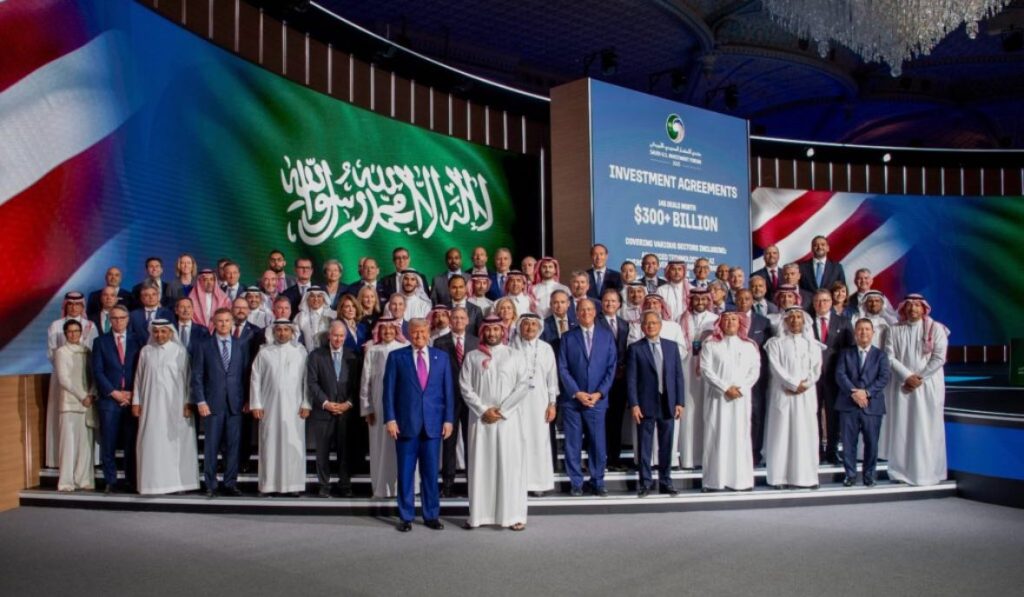
Alongside these developments, Saudi Arabia’s relations with the United States have also undergone changes during different periods. During his first term, Donald Trump, in his 2025 visit to Riyadh, spoke of agreements regarding Saudi Arabia’s large investments in the U.S.
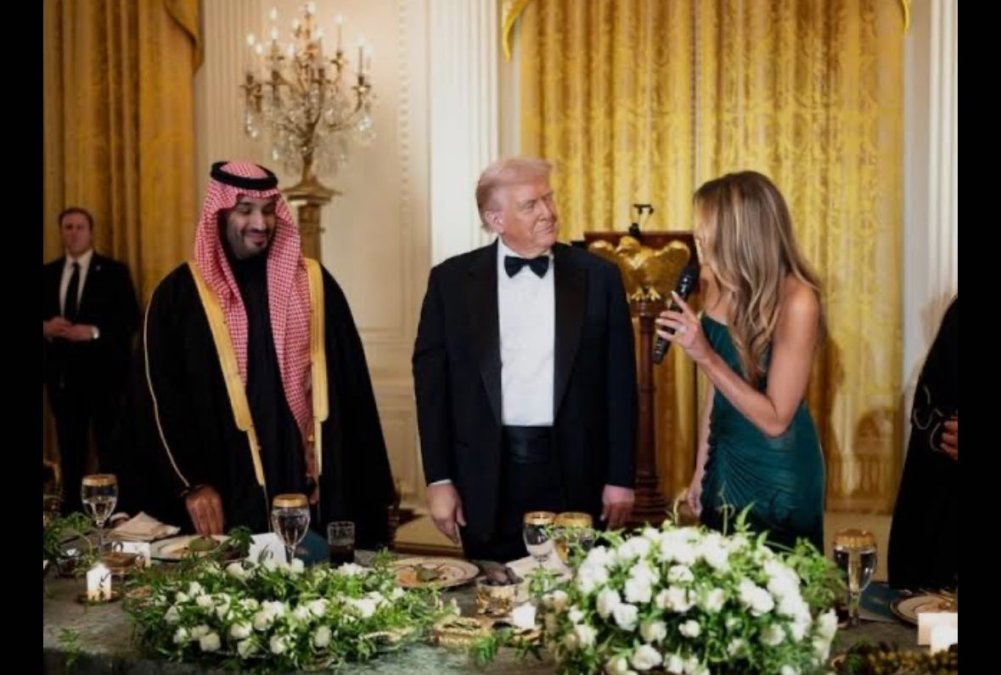
The topic of extensive investments was once again raised in the recent visit of Mohammed bin Salman to the White House, with the Saudi Crown Prince announcing plans for a trillion-dollar investment in the U.S. economy.
In this meeting, defense and security issues were also discussed, and Trump confirmed that Washington had agreed to sell F-35 fighter jets to Saudi Arabia, which will be similar to the models Israel possesses.
He described Saudi Arabia as one of the main non-NATO allies, and the Saudi Crown Prince also stated that he views the possibility of joining the Abraham Accords and expanding relations with Israel positively.
According to the White House announcement, the two countries reached agreements in the fields of civilian nuclear energy and defense cooperation during this meeting.
Trump also remarked on Iran, stating that recent U.S. attacks on this country’s nuclear facilities have strengthened Riyadh’s position, a claim that has elicited various international reactions.
Alongside these developments, Trump’s meeting with Ahmed Al-Sheraa, whom the U.S. had previously listed under sanctions, also attracted media attention. Analysts evaluate this event as a sign of the prioritization of political and economic considerations in Washington’s new approach to regional dossiers.
The recent visit of the Saudi Crown Prince to Washington, despite past disagreements between the two countries on issues such as the Jamal Khashoggi case, indicates a focus by both sides on economic, security, and energy cooperation in the new phase of bilateral relations.
