



The German Central Bank says the Iran war has kept inflation high and economic growth has slowed
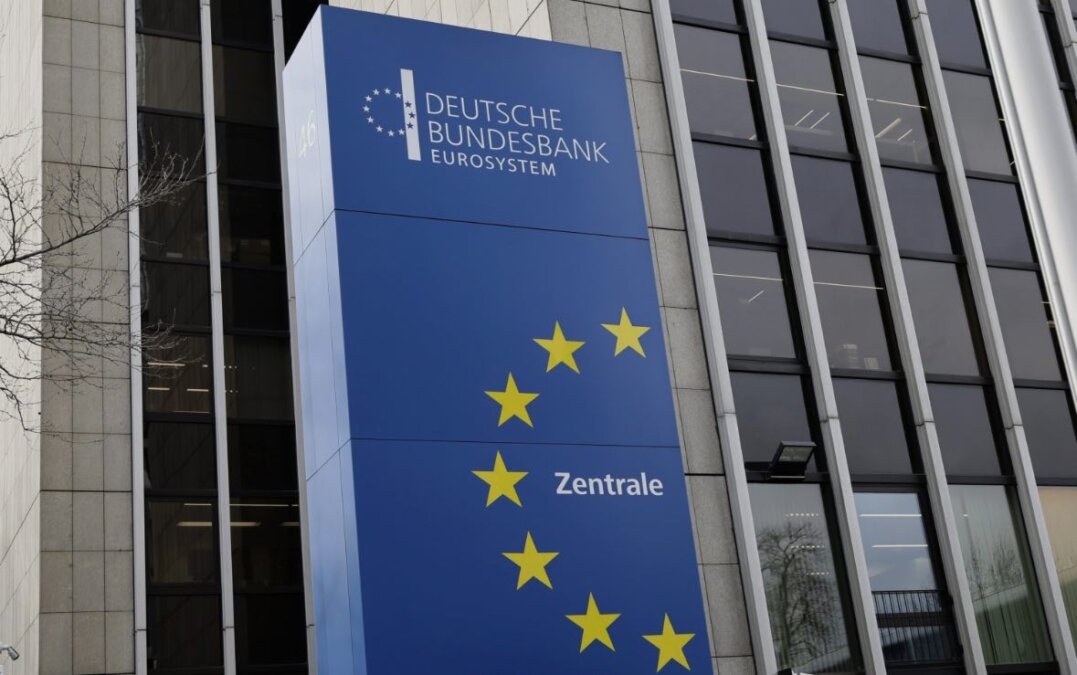
The German Central Bank, Bundesbank, announced that inflationary pressures in the country will likely remain high in the coming months, partly due to increased energy costs following the Iran war and disruptions in energy markets. Germany’s inflation rate was reported at 2.9% in August. The Bundesbank also predicted that planned reforms in the health sector from the beginning of 2027 will temporarily add about half a percentage point to inflation. Decreased gas reserves and rising fuel and oil product prices have also been cited as other factors putting pressure on prices. In its September report, the bank stated that the German economy lost some of its momentum in the third quarter of 2026. Reduced exports, weak consumption, and low water levels in the Rhine River, affecting industrial activity and transportation, were among the factors contributing to this slowdown. Nevertheless, the Bundesbank expects that after some of these temporary factors are resolved, the economic recovery trend will continue. The simultaneous increase in living costs and weak economic growth has become one of the major political issues in Germany, putting pressure on public satisfaction with the government.
