




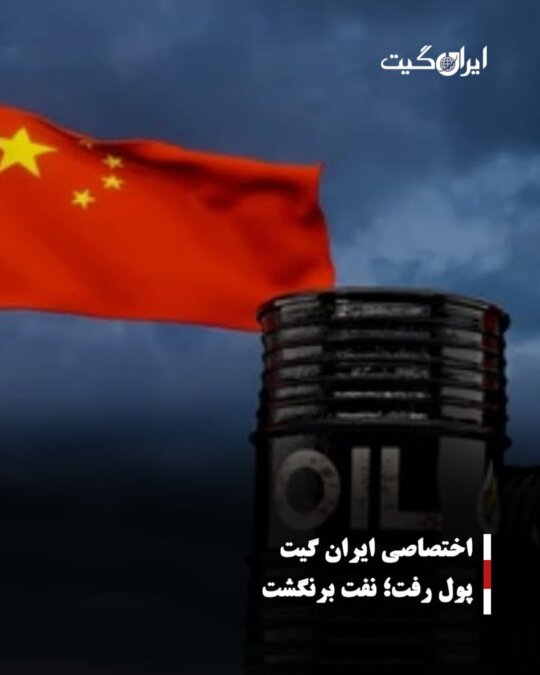
The money went, the oil didn’t return
A transaction over one billion yuan, an oil tanker, and a demand for 82 million dollars
A major Chinese buyer claims they fully paid for a shipment of crude oil, but the cargo was not delivered after the tanker arrived at the port.
According to documents and a summary of the criminal complaint provided by the Chinese party, the tanker entered the port and preparations for unloading had begun, but the oil was not unloaded. Then, an additional payment of about 82 million dollars was demanded for the delivery of the cargo. The buyer refused to pay this amount, and subsequently, the tanker left the port without unloading the cargo.
The buyer has claimed damages exceeding one billion yuan and filed a criminal complaint on August 2, 2026, against several individuals and companies involved in the transaction, including a representative and the captain and crew of the tanker.
The buyer is not a small entity.
According to the information provided, the buyer is a private entity active in the energy and chemical industries in Shandong province, established in 2017. It has over a thousand employees and its crude oil import quota is approximately 22 million tons.
Therefore, the case does not pertain to a small transaction or a buyer lacking financial capability, and the claimed damages could signify more than a typical commercial dispute.
The money was paid, but the delivery was not made.
One of the subsidiaries of this entity entered into a transaction with a company outside China to purchase a shipment of crude oil. According to the buyer’s claim, the transaction amount was fully paid.
With the tanker’s arrival at the port, the conditions apparently seemed ready for delivery. However, after an additional demand for 82 million dollars, the delivery of the cargo was made conditional on this payment. The buyer deemed it lacking a contractual basis and refused.
Ultimately, the ship left the port, and the cargo, for which the buyer says the price was previously paid, was not delivered.
Uncertainty about the identity of the tanker
One of the key aspects of the case is the match between the ship’s identity and the cargo documents.
The complaint alleges that the name of a tanker was listed in the documents, but the ship was operating with a different identity or maritime identification signal. If this claim is confirmed, it must be determined whether the actual ship was the one listed in the documents and whether the AIS data matches the port loading and transport documents.
It also needs to be clarified who the real owner and operator of the ship and cargo were, and who had control over the cargo at the time of the transaction.
Criminal complaint, not a final verdict
In the complaint filed in China, issues such as contractual fraud, extortion, concealment or transfer of potential criminal proceeds, and transnational crimes have been raised for investigation.
However, these matters are currently the claimant’s allegations and not proven crimes. Filing a complaint or naming individuals and companies does not imply their criminal liability, and the results of investigations and judicial proceedings are yet to be determined.
The bigger issue is trust in oil transactions
The importance of the case is not limited to the damage exceeding one billion yuan. The main concern could relate to trust in crude oil transactions.
If a buyer faces the risk of non-delivery of the cargo even after fully paying and the tanker’s arrival at the port, future buyers will likely need more thorough checks, from verifying the seller and the actual owner of the cargo to examining the ship’s identity and history, matching documents with maritime data, reviewing the recipient’s account, and obtaining stronger financial guarantees.
This process could increase the cost, time, and risk of oil transactions.
Key questions remain unanswered
The exact path of transferring over one billion yuan, the ultimate beneficiary of the funds, the basis for demanding 82 million dollars, the true identity of the tanker, the ship’s exit permit, and the fate of the cargo are among the most important remaining questions.
It also needs to be determined whether this case is an exceptional instance or indicative of a larger pattern in crude oil transactions through intermediaries and multilayered commercial structures.
The Shandong case is still under review, and banking documents, contracts, loading and port documents, independent maritime data, and statements from all parties can clarify the final picture.
But if the claims are confirmed, this case will be a serious warning for the market.
In oil trade, paying money does not necessarily mean the end of risk.
When a buyer cannot take delivery of a cargo after fully paying and the ship’s arrival at the port, the issue is no longer just a commercial dispute but a matter of trust, ownership, control of the cargo, and the credibility of crude oil transaction mechanisms.
And perhaps the main question is who was responsible for ensuring the delivery of the oil for which the money had already been paid.
