



Who are the threats of file fabrication and favoritism targeting in the shadows of petrochemical managers?
The controversial backstory of the guarantees and insurance policies file in petrochemicals: What are the file fabricators doing? In the scandalous case of corruption in the field of petrochemical guarantees and insurance policies, does everything end with a few well-known figures, or are there hidden players whose roles are less visible but who face serious allegations about their actions?
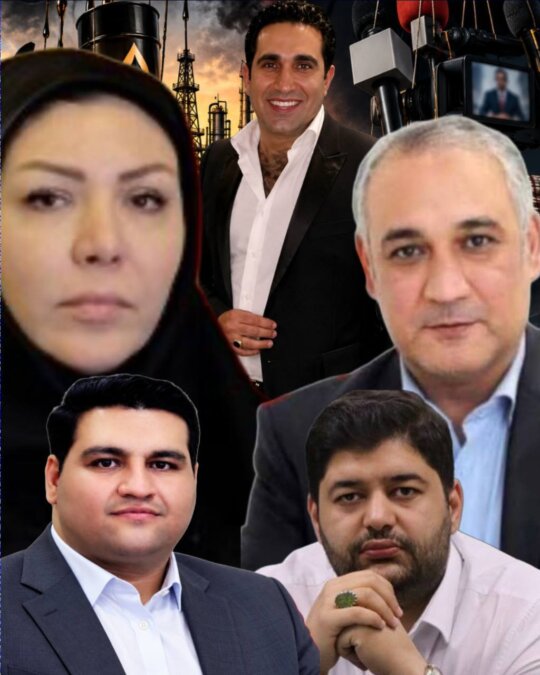
Alongside names such as Afrooz Bahrami, CEO of the Export Guarantee Fund, Mohammad Reza Faghih, a fugitive broker, and Ehsan Mousavi, former CEO of Masjed Soleyman Petrochemical, the names of two other individuals have also been mentioned: Javad Jalili and Milad Rabati.
The allegations against these two individuals are very serious, ranging from fabricating cases against petrochemical and steel managers to possessing private films and information and potentially using them to exert pressure and obtain favoritism.
It is said that Javad Jalili, who was involved with security agencies and was detained after Afrooz Bahrami, still frequents some petrochemical complexes. Similar allegations about case fabrication, pressure, and efforts to obtain privileges have been made against Milad Rabati.
Perhaps the most sensational part of the story is the claim of a hard drive containing sensitive films and information, which is said to have been in Mohammad Reza Faghih’s possession and later taken from him. Now the question arises whether the same information or similar data is still in the hands of others.
What is clear is that we are no longer facing an ordinary violation, but rather a network of pressure, threats, file fabrication, and favoritism that could target the managerial and economic security of one of the country’s most important industries.
On the other hand, there are also claims about foreign connections of some of these individuals, which require thorough and documented investigation by security and oversight agencies.
The main question is whether the oversight and security agencies are aware of these incidents or not.
If they are aware, why do some of these individuals still have the opportunity to come and go and operate in major industrial complexes despite such serious allegations?
And if they are not aware, who should be held accountable for this oversight gap?
Petrochemicals and steel are no places for behind-the-scenes games of file fabrication and blackmail. If even part of these claims is true, silence and indifference could pave the way for larger corruptions and heavier costs for the country’s industry.
Now the ball is in the court of the security and oversight agencies: either investigate these claims and clarify matters for the public, or allow the question to be raised more seriously than ever about who is really behind the petrochemical guarantees and insurance files.
