
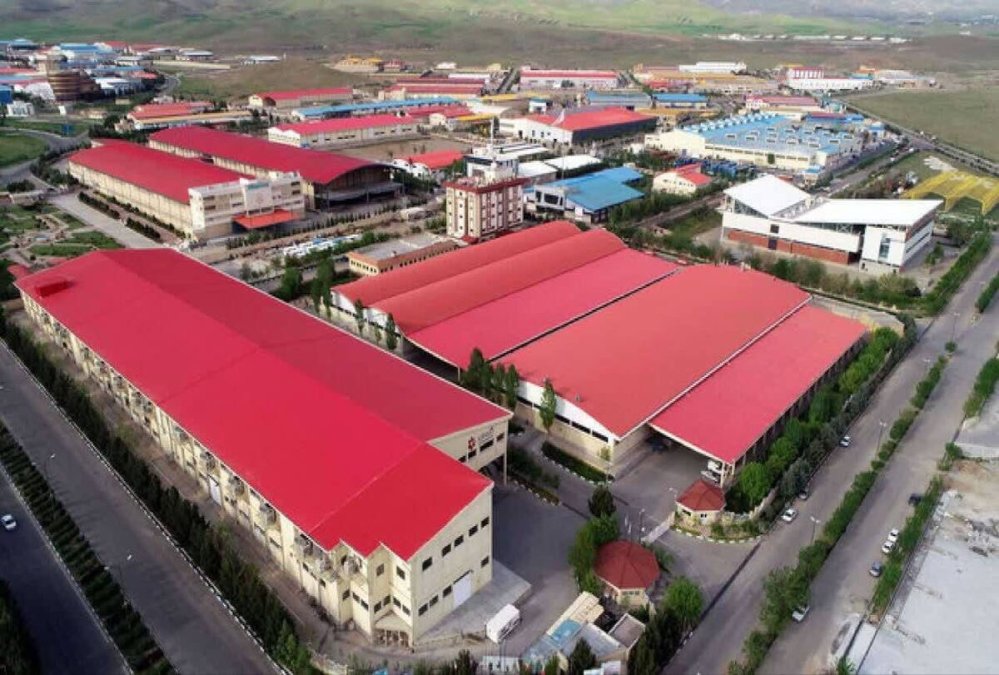
What is happening in the industrial towns of Alborz?
According to documents obtained by Irangate, a review of a collection of documents and information indicates ambiguities and potential violations in the financial management, hiring practices, and tender processes in the company of industrial towns in Alborz province. This company is a subsidiary of the Iran Small Industries and Industrial Parks Organization (ISIPO) and ultimately affiliated with the Ministry of Industry, Mine, and Trade.
Based on the available documents, several main areas require immediate and independent investigation by oversight bodies.
1. Discrepancies in financial and legal documents: According to examined documents, significant and inexplicable differences are observed between the documents related to the payment of official employees’ salaries in the months of September, October, and November and the documents submitted to the country’s Court of Accounts. These discrepancies raise serious questions about the accuracy of financial reporting and account transparency.
2. Ambiguities in appointments and multiple positions: An examination of the company’s human resources structure shows that in many cases, there is no clear alignment between individuals’ academic qualifications, professional expertise, and the positions assigned to them. Additionally, there are instances of multiple key positions being concentrated in the hands of a single individual.
Among the issues raised in the documents:
Simultaneous appointment of working couples in a specific deputy role.
Assigning multiple managerial and specialized positions to a single individual.
Management of industrial towns by individuals with academic degrees unrelated to the mission area.
Holding sensitive administrative and security positions by individuals lacking relevant educational backgrounds.
This situation strengthens the suspicion of nepotism, conflict of interest, and violation of meritocracy principles in the company’s administrative structure.
3. Unconventional payments under the guise of bonuses and occasions: Existing documents report significant amounts paid as bonuses in the second quarter of the year 2025. It has also been reported that by the first half of 2025, for various official and religious events, approximately 5 million tomans were paid to employees for each occasion. Additionally, multi-million bonuses under the guise of incentives for employees’ children’s academic results for the first and second semesters of the academic year are also seen in the documents.
4. Suspicion of organized misconduct in a tender: One of the sensitive issues raised concerns a tender for creating a showroom with an estimated financial value of about 1 billion and 680 million tomans in the Setad system. According to available information, eight different companies participated in this tender, and initial investigations show that they were all linked to a single individual. This person, according to documents, had close ties with an expert and one of the deputies in the company’s small industries section. Such a situation suggests the possibility of using shell companies, collusion in the tender process, designing restrictive conditions in the Setad system, and purposefully directing the tender winner.
5. Change of management amid accusations: During this same period, the management of the Alborz Province Industrial Towns Company changed from Hamidreza Oqabneshin to Iraj Mowaffaq. According to informed sources, this underscores the necessity of expediting the investigation into the raised cases.
Request for public transparency
Based on these documents, it has been requested that complete information regarding the salaries and benefits of the company’s managers and employees be transparently published with names and positions mentioned, so that the public and oversight bodies can conduct more precise reviews.
It has also been emphasized that judicial proceedings, issuance of dismissal orders in case of proven misconduct, and halting unconventional payments are necessary.
This report is based on the provided documents and information, and the responsibility for verifying its accuracy and legal dimensions lies with the judicial oversight bodies and responsible media.