
Mohammadreza Farzin and the New Trouble
The corruption known as the Debsh Tea corruption is one of the largest and most controversial financial cases in contemporary Iranian history. A case that involved currency embezzlement and suspicious imports of tea and related equipment, with shocking dimensions.
In this case, official reports indicate that the Debsh Tea company received approximately 34 billion dollars in government currency for importing tea and machinery. However, a significant portion of this currency was not spent on actual imports, except for a few limited items. Either the goods were not imported, or low-grade and even expired tea was offered to the market.
Further evidence suggests that the Modallal group, by receiving extensive government currency and repeating patterns similar to Debsh Tea, has faced criticism and accusations of favoritism and monopoly. According to official reports from the Central Bank, six subsidiary companies of the Modallal group received about 11 to 112 billion dollars in preferential currency in the first half of the year 1404, which is nearly 2024 of the total currency allocated to essential goods during that period.
Criticisms of the Modallal group mainly revolve around monopoly in the import of livestock feed, oil, and essential goods, receiving cheap currency at preferential rates, and the potential misuse of the difference between preferential and open market currency rates to earn huge profits. This is the same structural corruption seen in the Debsh Tea case.
Therefore, it seems that the Modallal group has managed to gain a prominent and exclusive role in the essential goods market by using government currency favoritism and invasive import facilities. A situation that many describe as a repetition of Debsh Tea in the field of imports and preferential currency.
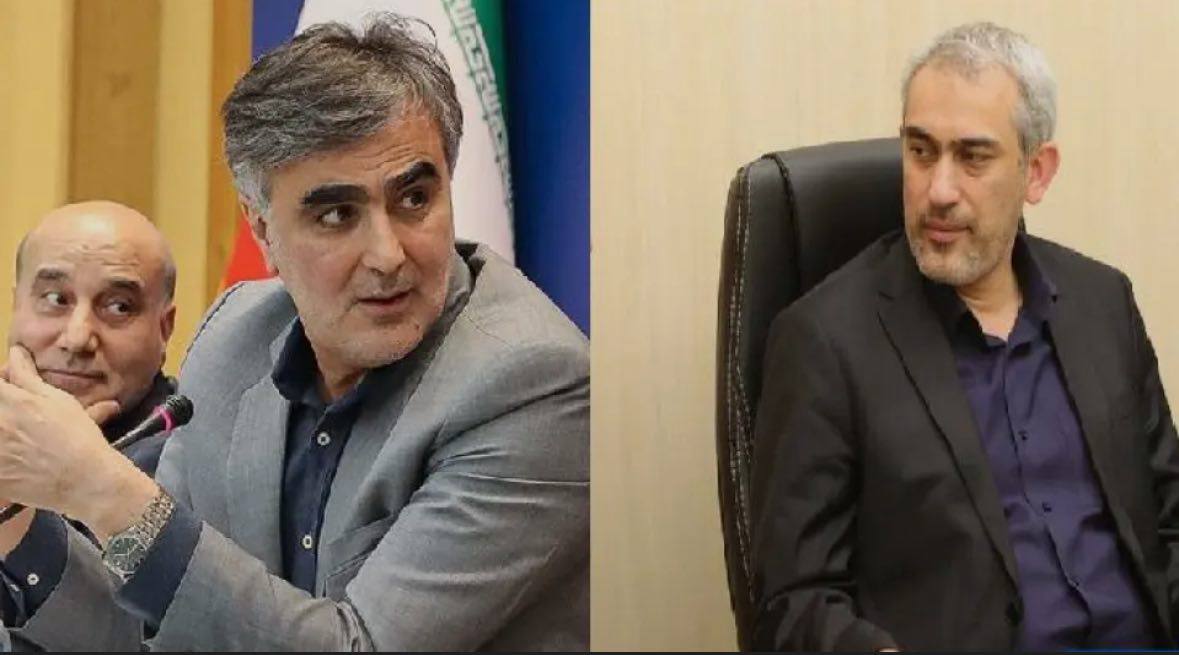
Informed sources at the Iran Gate news agency in the Ministry of Economy have told us that the repetition of the cycle of favoritism and the extensive allocation of government currency to the Modallal group has now placed the name of Mohammadreza Farzin, the head of the Central Bank, at the center of a sensitive and controversial case.