
Where are the billions of dollars in oil money in the fourteenth government?
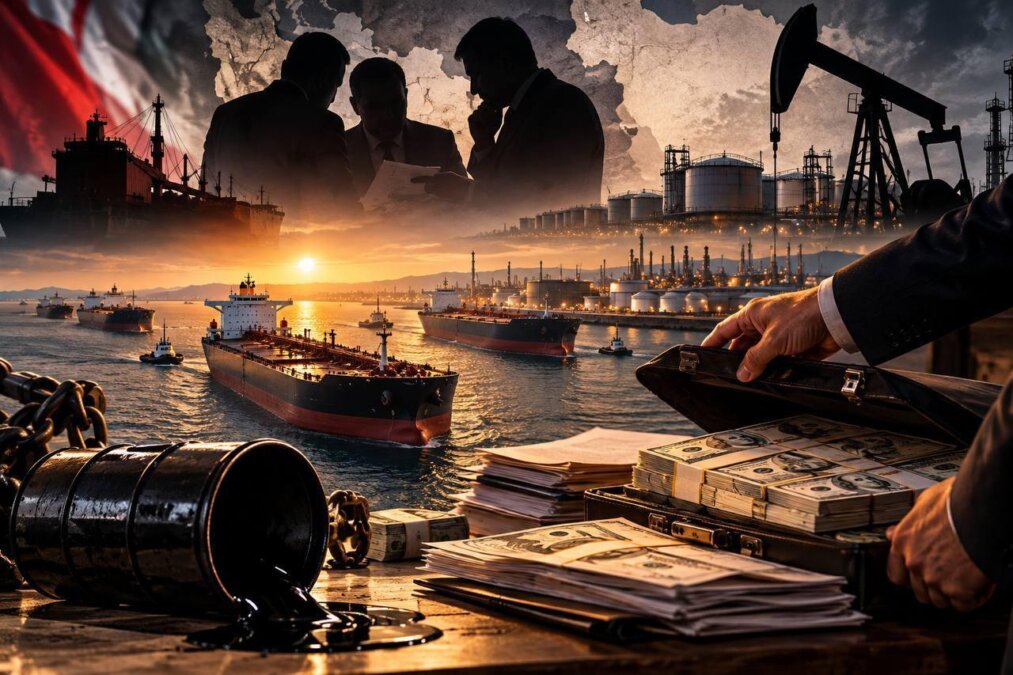
Exclusive to Irangate Part Three: According to figures in the report, by mid-February, about 6 billion dollars have been offered through banking trustees in the exchange center, and about 990 million dollars have also been paid through NICO trustees. The document then, considering the official sale, oil barter, and product swap, sanction operation costs, and other financial components, reaches a very important estimate. By the end of the year, probably around 20 to 22 billion dollars of receivables will remain. This figure should not be interpreted as 20 to 22 billion dollars of lost or embezzled money; such a claim is not proven in the document. However, the very existence of such a volume of resources that have not yet been definitively collected, alongside claims of empty affirmations and fake endorsements, raises serious questions about the mechanism of controlling oil revenues. Oil is sold; who controls the money? The final warning of the report goes beyond the issue of oil sales. The document warns of a situation where a network of trustees, exchangers, brokers, and financial intermediaries becomes an essential link in transferring oil revenue, and part of the government’s practical control over foreign exchange resources from oil sales is transferred to this network. The report’s author uses the notable expression ‘privatization of monetary and financial sovereignty and national assets’ to describe this risk. Circumventing sanctions without using informal mechanisms is difficult, but the issue raised by this report is that the same network created to bypass sanctions, in the absence of oversight, can itself become a source of risk, sedimentation of resources, and lack of transparency. In such conditions, higher oil sales figures alone are not a measure of success. The main criterion is how much oil has been sold, how much money has been officially collected for it, and how much of these resources have been definitively and verifiably collected. The top-secret report now poses a multi-billion dollar question to the Ministry of Oil and the structures responsible for oil sales in the fourteenth government. Who has been making empty affirmations? Which shipments and amounts were the so-called fake endorsements related to, and from the billions of dollars of resources that have not yet been definitively collected, how much is with which individuals or intermediaries and in which channels?