


Special Currency, Unknown Response, Silence of Gachpazzadeh
The documents and published narratives about the case of Faradis Alborz Data Processing Company raise serious questions about the method of currency allocation and adherence to the principle of equality in administrative processes. According to these claims, this company, with names from Mahyar, was removed from the long queue for currency allocation, and subsequently, the registration of orders, administrative approvals, and currency allocation were carried out at an unusual speed. Meanwhile, the registered goods were neither among the governmental items nor in the country’s essential priorities. If these narratives are true, the public has the right to know the legal basis of this exception and which institution was responsible for issuing such a permit.
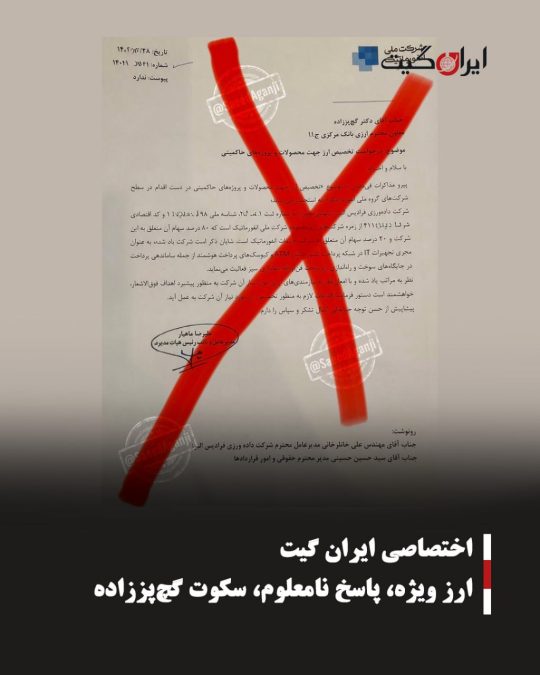
The ambiguities are not limited to the method of currency allocation. It is claimed that the currency was transferred through Tourism Bank to a company in China, but the goods were never delivered. Part of the items faced legal issues, the value of the contract significantly increased due to the rise in equipment prices, and ultimately, the foreign company refused to deliver the goods and kept the funds as a penalty. The coincidence of these events with the resignation of some related managers doubles the necessity for a documented and transparent explanation from the officials.
Meanwhile, the role of Gachpazzadeh and other managers and officials who were possibly involved in this process needs clarification. If the removal of this company from the normal queue and the acceleration in currency allocation was done with their approval or order, the legal documents of the decision-making process and the responsibility of each decision-maker must be clearly announced. Ultimately, what matters is not prejudgment but transparent accountability regarding the fate of millions of euros of allocated currency and ensuring justice in administrative processes. This demand seems necessary both to maintain public trust and to protect the country’s resources.